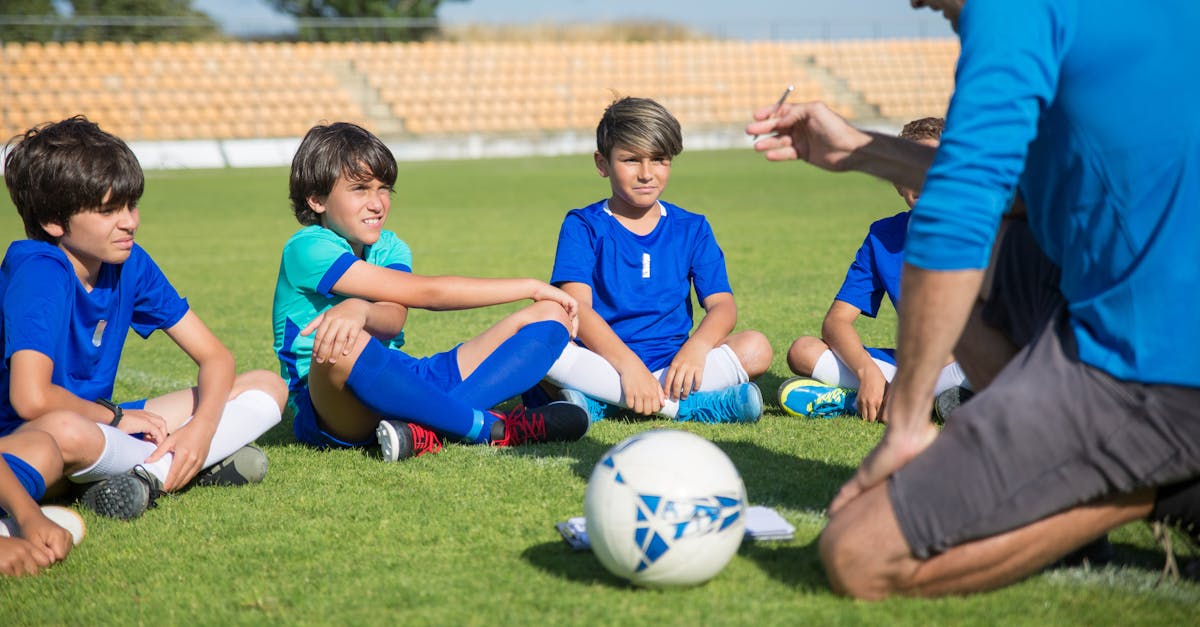
backyard practice beats organized practice for pure touches on the ball. In a typical 60-minute team practice, a youth player handles the ball for less than four minutes. At home, with a rebounder and a wall, they can get 500 touches in twenty minutes.
This guide provides a structured 8-week home training program designed to build core technical skills: passing, receiving, first touch, and agility. We detail the exact drills to run, how to structure the weeks, and the specific equipment that makes backyard training effective.
For a broader look at athletic gear, you can explore our backyard sports equipment guide or see how to budget for your setup in our youth sports tech budget overview.
The 8-Week Home Training Program Overview
Backyard training must be structured to prevent burnout and ensure skill progression. This 8-week program is split into four two-week phases, focusing on one primary technical skill while maintaining baseline conditioning.
| Phase | Weeks | Primary Focus | Recommended Daily Drills | Required Gear |
|---|---|---|---|---|
| Phase 1 | Weeks 1-2 | First Touch & Ball Control | Toe taps, box drills, rebounder wall passes | Size 4/5 Ball, cones |
| Phase 2 | Weeks 3-4 | Passing & Receiving | 1-touch return passing, angled receiving | Rebounder, cones |
| Phase 3 | Weeks 5-6 | Agility & Change of Direction | Ladder runs, cone weaving with ball | Agility ladder, cones |
| Phase 4 | Weeks 7-8 | Dribbling & Spatial Awareness | 1v1 moves, tight space exit drills | Mini goals, agility ladder |
Each session should last 30 to 45 minutes, three times per week. Focus on quality of movement over speed. A sloppy touch practiced 100 times just builds bad habits.
Technical Gear Reviews: Backyard Essentials
To execute this program, you need gear that responds predictably. Cheap plastic cones blow away in the wind, and low-quality rebounders absorb the ball’s energy rather than returning it. We tested the top backyard training equipment for durability, bounce-back response, and ease of setup.
1. Tekk Monster Rebounder — Best Soccer Rebounder
 Best Overall Rebounder
 Tekk
Tekk Monster Rebounder
Heavy-duty steel frame with premium rebound tension for true-to-life ball returns
The Tekk Monster Rebounder is a commercial-grade piece of equipment scaled for home use. Built with a 2-inch square steel frame and heavy-duty brackets, it doesn’t move or tip when hit by hard shots from older players. The surface area is 40 square feet, allowing for angled passes and long-range receiving practice.
The rebound response is the truest on the market. Unlike bungee-based nets that deaden the ball, the Tekk uses steel springs that snap the ball back with game-like velocity. This forces the player to react quickly and clean up their first touch. It folds flat for storage, though at 55 pounds, children will need help moving it.
2. Franklin Sports Blackhawk Soccer Goal — Best Portable Net
 Best Value Goal
 Franklin Sports
Franklin Sports Blackhawk Soccer Goal
Fiberglass and steel construction provides a stable target that sets up in under 5 minutes
For shooting drills and small-sided games, the Franklin Blackhawk is the standard for backyard training. The 4’ x 3’ size is ideal for precision shooting drills, forcing players to target the corners rather than just blasting the ball.
The frame uses fiberglass tension pegs combined with a steel base, providing structure without excessive weight. It handles standard soccer balls without tipping, provided you use the included metal ground stakes. It packs down into a carrying bag, making it easy to take to the park or store in the garage during the winter.
3. Profect Sports Agility Ladder & Cones — Best Footwork Set
 Best Footwork Kit
 Profect Sports
Profect Sports Agility Ladder and Cones
Adjustable flat rungs that won't slide out of place, paired with 12 flexible field cones
Footwork is the foundation of soccer agility. The Profect Sports set combines a 15-foot agility ladder with 12 disc cones. The key advantage of this ladder is the fixed strap design with adjustable plastic rungs. Cheap ladders use round rungs that roll underfoot or slide out of alignment; these flat rungs stay in place even when clipped by cleats.
The disc cones are made of flexible plastic that pops back into shape when stepped on, preventing cracks. It includes a metal ground stake kit to secure the ladder on windy days, which is essential for maintaining spacing during high-speed agility drills.
Equipment Decision Matrix
Choosing the right combination of training gear depends on your budget and space availability.
| Equipment Type | Space Required | Skill Focus | Recommended Age | Essential Feature |
|---|---|---|---|---|
| Rebounder | Medium (15x15 ft) | First touch, receiving, volleys | 8 and older | Steel springs, adjustable angle |
| Mini Goal | Small (10x10 ft) | Shooting accuracy, finishing | All ages | Fiberglass pegs, ground anchors |
| Agility Ladder | Small (15x5 ft) | Foot speed, coordination | 6 and older | Flat rungs, fixed straps |
| Cones | Very Small | Dribbling paths, boundaries | All ages | Flexible plastic, high visibility |
Home Drills for the 8-Week Program
The Wall Rebound (Phase 1 & 2)
Position the rebounder 5 feet away. Pass the ball firmly into the net using the inside of the right foot. Receive the returning ball with the inside of the left foot, push it across your body, and pass back with the left foot. Repeat for 3 minutes without stopping. Focus on keeping the ankle locked and the toe pointed slightly up on the pass.
The Agility Weave (Phase 3)
Lay out 6 cones in a straight line, spaced 2 feet apart. Run through the agility ladder using a two-foot-in-each-gap pattern, then immediately sprint to the cones and weave through them using only the inside and outside of your right foot. Walk back to the start and repeat, switching to the left foot on the next run. Complete 5 repetitions.
Frequently Asked Questions
What size soccer ball should a youth player use for home training?
Ball size is determined by age. Players under 8 should use a Size 3 ball. Players aged 8 to 12 should use a Size 4 ball, which helps build control without straining growing joints. Players aged 13 and older should use a regulation Size 5 ball. Using the correct size ensures proper muscle memory development.
Can a rebounder be used on concrete or driveways?
Most steel-frame rebounders can be used on hard surfaces, but you will need sandbags or rubber weights to prevent them from sliding. Fiberglass tension-style goals require stakes and should only be used on grass or turf to remain stable.
How often should a child run agility ladder drills?
Agility ladder drills should be limited to 2-3 times per week at the start of a workout session when the player is fresh. Foot speed training requires maximum nervous system output; running these drills when fatigued leads to sloppy footwork and reduces the effectiveness of the training.
Do I need a full-sized goal for backyard practice?
No. A full-sized goal is unnecessary and often counterproductive for home training. Mini goals (4’ x 3’ or 6’ x 4’) are better because they force the player to focus on accuracy and placement. They are also much safer and easier to store.
How long does a steel rebounder last outside?
High-quality steel rebounders with powder coating can last 3-5 years outdoors. However, the elastic cords or steel springs will lose tension faster if exposed to constant rain and UV light. Storing the net in a shed or garage when not in use will double its lifespan.
How we evaluate: We combine hands-on use (when available), manufacturer documentation, independent user feedback, and parent-focused criteria like safety, durability, ease of use, and long-term value.
Accuracy note: Pricing and product availability can change. Verify details on the retailer site before purchase.
Affiliate Disclosure: Sports Gadget Review is a participant in the Amazon Services LLC Associates Program. When you purchase through links on this page, we may earn a commission at no extra cost to you. Editorial recommendations are made independently.