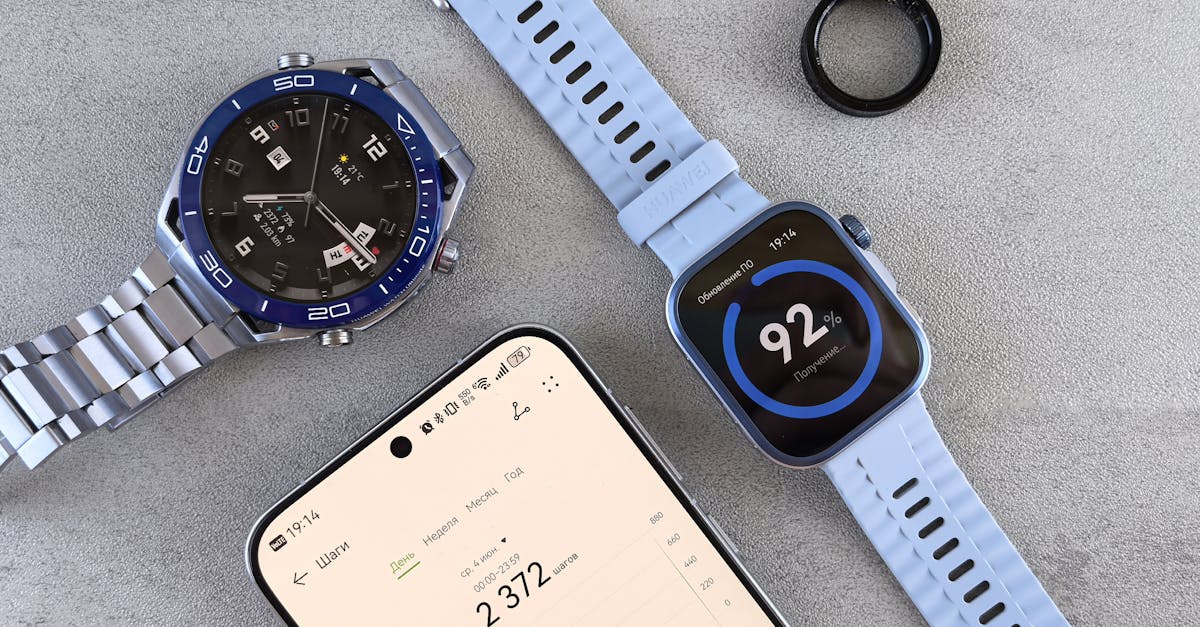
Most sports watches are designed for linear, continuous activities like running, cycling, or swimming. They measure steady-state pace and distance. But if you play basketball, soccer, football, or volleyball, your movement is non-linear. You sprint, cut, jump, stand, and sprint again.
A watch that only records average pace is useless for team sports. You need a wearable that can track high-intensity sprint volume, measure impact forces, monitor positional heatmaps, and calculate cardiovascular load during multi-directional play.
Furthermore, safety rules in competitive leagues often prohibit wearing hard plastic or metal watches on the wrist.
We tested six sports wearables and tracking systems on the court and field to find the best options for team athletes.
For other wear options, see our swim lap counters review or explore recovery tech in our WHOOP vs Oura Ring comparison.
Team Sports Wearables Compared
Here is the data from our on-field testing, focusing on sprint tracking capability, wearability during competitive games, and team sport metrics.
| Wearable | Wear Location | Sprint Tracking | Jump Tracking | Heart Rate Accuracy | League Approved (Padded/Soft) |
|---|---|---|---|---|---|
| WHOOP 4.0 | Wrist / Arm / Bicep / Vest | Good (Strain) | No | Excellent | Yes (Bicep/Sleeve) |
| Catapult ONE | Back (Harness Vest) | Excellent (GPS) | No | Good (with pod) | Yes (All leagues) |
| Garmin Forerunner 165 | Wrist | Fair (GPS) | No | Good | No (Hard case) |
| Polar Vantage V3 | Wrist | Good (GPS) | Yes (Orthostatic) | Excellent | No |
| COROS Pace 3 | Wrist | Good (GPS) | No | Good | No |
| Apple Watch Series 9 | Wrist | Fair (GPS) | No | Excellent | No |
Detailed Team Sport Wearable Reviews
1. WHOOP Strap 4.0 — Best Screenless Tracker for Team Sports
 Best for Game Play
 WHOOP
WHOOP Strap 4.0
Screenless design with bicep sleeve options that are approved for competitive play
The WHOOP Strap 4.0 is the most popular wearable among professional and collegiate athletes. The screenless design eliminates the risk of facial cuts during contact sports, and the low-profile pod can be worn in a bicep band, compression shorts, or a specialized sports bra rather than on the wrist.
WHOOP focuses entirely on Strain and Recovery. It measures your cardiovascular load by tracking heart rate variability (HRV), resting heart rate, and sleep quality. During a basketball or soccer game, it records your heart rate zones to calculate your session strain, helping you manage training load and avoid overtraining. The main drawback is the subscription model; the device requires a monthly fee to access your data.
2. Catapult ONE — Best GPS Tracker for Soccer and Football
 Best for Field Sports
 Catapult
Catapult ONE
Professional-grade GPS tracking vest measuring sprint distance, top speed, and positional heatmaps
If you play soccer, rugby, lacrosse, or American football, the Catapult ONE is the closest you can get to professional analytics. It consists of a GPS tracking pod housed in a neoprene harness vest worn between your shoulder blades. Because it is positioned high on the back, it maintains a clear line of sight to satellites, providing highly accurate positional data.
The companion app tracks metrics that wrist-based watches cannot. It measures your top speed, total sprint distance (speed above 5.5 m/s), power plays, and generates a heatmap of your positioning on the field. This allows you to analyze your work rate during different halves of the game and compare your performance to elite benchmarks.
3. Polar Vantage V3 — Best Sport Watch for Advanced Recovery
 Best for Recovery
 Polar
Polar Vantage V3
Premium biosensing suite with orthostatic recovery tests and advanced leg recovery tracking
The Polar Vantage V3 is a high-end multisport watch featuring Polar’s Elixir biosensing technology. It measures blood oxygen (SpO2), skin temperature, and wrist-based ECG. For team athletes, its standout feature is the Leg Recovery Test, which measures how your muscles recover after high-impact jumping and sprinting.
By performing a series of squat jumps, the watch measures your jump height and velocity to determine if your lower body muscles are fully recovered or if you are at risk of injury. It also features Orthostatic Tests to assess your autonomic nervous system status, offline maps, and dual-frequency GPS for outdoor training sessions.
Technical Metrics: Sprint Distance and Load Monitoring
Team sports require monitoring both internal and external training loads:
External Load (GPS Metrics)
This is the physical work you perform, measured by sensors. The key metric for field sports is Sprint Distance (the distance run at high speeds, typically above 12-15 MPH) and Acceleration Volume (how many times you rapidly change speed). Catapult vest systems track these metrics to ensure athletes do not increase their sprint volume too quickly, which is the primary cause of hamstring pulls and groin strains.
Internal Load (Cardiovascular Metrics)
This is how your body reacts to the physical work, measured by heart rate. Watches like the Garmin and Polar measure TRIMP (Training Impulse) or EPOC (Excess Post-Exercise Oxygen Consumption). A high EPOC score after a basketball game indicates a high metabolic cost, requiring a longer recovery window before your next high-intensity session.
Frequently Asked Questions
Can I wear a smartwatch during official basketball games?
Under NFHS and NCAA rules, players are prohibited from wearing hard jewelry, including plastic or metal wristwatches, during games. To track your game data legally, you must use a screenless, soft-wrapped wearable like the WHOOP worn in a bicep sleeve or a GPS tracking pod worn in a soft harness vest (like Catapult).
How does Catapult ONE track performance indoors?
The GPS pod in the Catapult ONE requires satellite connection and will not track location or heatmaps inside an indoor sports arena. For indoor sports like basketball or volleyball, you must rely on wristbands with accelerometers (like WHOOP) to track cardiovascular load and movement intensity, rather than satellite-based GPS.
Can a fitness watch predict muscle strains or injuries?
No wearable can directly predict an injury. However, they can monitor your Acute-to-Chronic Workload Ratio (ACWR). If your training load in the last 7 days (acute) is more than 1.5 times higher than your average load over the last 28 days (chronic), research shows your injury risk increases fourfold. Watches use training load metrics to warn you of these spikes.
Is the Catapult vest uncomfortable to wear under a jersey?
The neoprene harness vest is lightweight, tight-fitting, and sits flat against the skin, making it unnoticeable under a standard loose-fitting sports jersey. Most players report forgetting they are wearing it after a 5-minute warm-up.
Do smartwatches track jumps in volleyball or basketball?
Standard smartwatches do not feature native jump tracking. However, advanced sports watches like the Polar Vantage V3 can measure vertical jump performance through specific test modes, and specialized volleyball trackers (like the VERT wearable) use highly sensitive gyroscopes to record jump count, jump height, and landing impact forces.
How we evaluate: We combine hands-on use (when available), manufacturer documentation, independent user feedback, and parent-focused criteria like safety, durability, ease of use, and long-term value.
Accuracy note: Pricing and product availability can change. Verify details on the retailer site before purchase.
Affiliate Disclosure: Sports Gadget Review is a participant in the Amazon Services LLC Associates Program. When you purchase through links on this page, we may earn a commission at no extra cost to you. Editorial recommendations are made independently.