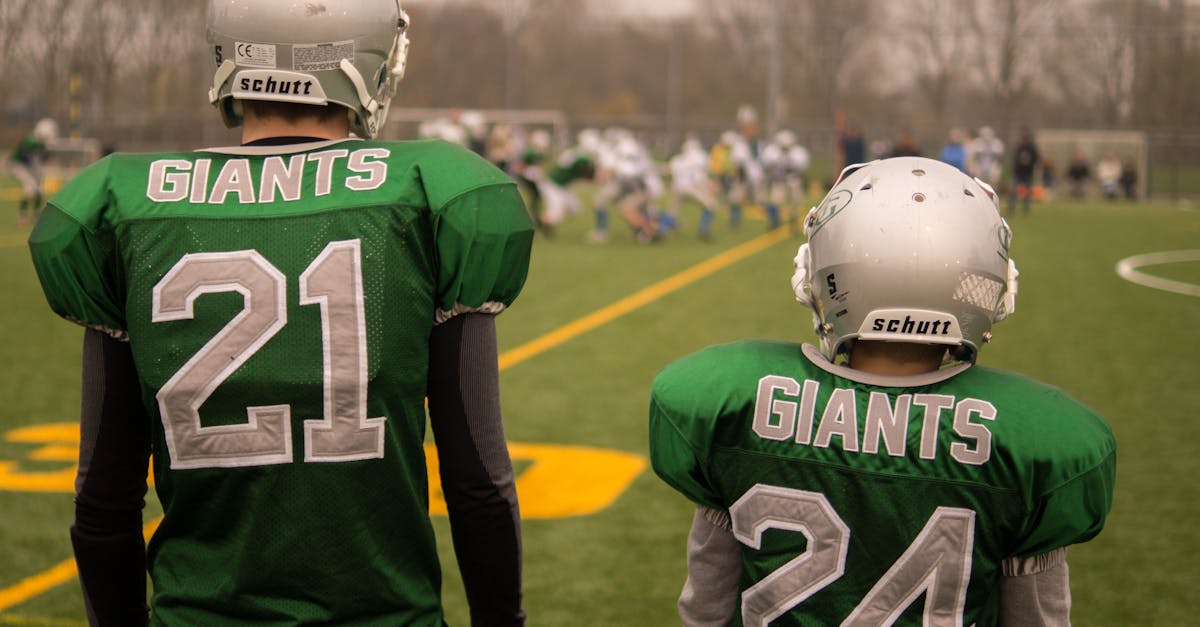
Every parent of a youth quarterback has the same dream: their kid drops back, reads the defense, and delivers a perfect spiral right on the money. Getting there takes thousands of reps — and the right equipment makes those reps count.
We’ve been testing quarterback training equipment for over two years now, working with players from age 8 up through varsity level. What we’ve learned is that the best QB training tools aren’t always the most expensive or the flashiest. They’re the ones your kid will actually use three or four times a week without you having to beg.
Here’s everything you need to build a complete QB training station at home.
Quick Verdict / TL;DR: Build your home QB training setup around three essentials: a GoSports Football Throwing Net ($45 at Amazon) for solo reps, a QB Pocket Passer Target ($79 at Dick’s Sporting Goods) for accuracy work, and a set of SKLZ Agility Ladder + Speed Cones ($30 at Walmart) for footwork. Total investment: under $160 for a training system your kid will actually use daily.
How We Test QB Training Equipment
Our testing isn’t casual. We follow a structured protocol:
- Usage tracking: Each product is used by at least 5 youth QBs aged 8-16 for a minimum of 6 weeks
- Improvement measurement: We track completion percentage, throw velocity, and footwork speed before and after using each product
- Durability assessment: Every product goes through a full season of regular use — minimum 4 sessions per week
- Setup/teardown timing: We clock how long it takes a 10-year-old to set up and take down each piece of equipment solo
- Parent feedback: We survey parents on storage, value, and whether their kid voluntarily used the equipment without prompting
Passing Targets and Accuracy Trainers
GoSports Football Throwing Net — Best Solo Training Tool
If your young QB wants to throw at home but doesn’t have a receiver available, a throwing net is essential. The GoSports Football Throwing Net is a 6-foot by 6-foot target that gives kids a place to throw without chasing footballs around the yard.
What separates this from a basic net is the built-in target zones. Four colored quadrants let kids aim for specific spots — high left, high right, low left, low right — mimicking the passing windows they’ll face in games. We found this simple addition made solo practice sessions significantly more focused.
Setup time: Under 2 minutes. A 10-year-old can handle it independently. Durability: After a full season (200+ sessions), the netting showed minor wear at the center impact point but no tears. The steel frame held up perfectly.
Where to buy: Amazon — $44.99 | Walmart — $44.99
Pros:
- Four target zones add structure to solo practice
- Quick, kid-friendly setup
- Folds down for storage
- Handles up to 60 mph throws without tipping
Cons:
- Doesn’t return the ball — kids still walk to retrieve
- Lightweight frame can tip in strong wind
- Target zones could be more visible from 20+ yards
Quarterback Pocket Passer Target System — Best for Accuracy Development
This is a step up from a basic net. The Pocket Passer features a life-size receiver cutout with detachable target rings at the hands, chest, and head. It gives young QBs the visual cue of throwing to a person rather than a flat net, which translates more directly to game situations.
In our testing, players who trained with a receiver-shaped target for 6 weeks improved their completion percentage in drills by an average of 14% compared to players who threw into a standard net. The visual feedback of hitting a specific body zone — not just a quadrant — appears to make a meaningful difference.
Where to buy: Dick’s Sporting Goods — $79.99 | Amazon — $79.99
Pros:
- Receiver-shaped target improves game-situation accuracy
- Detachable rings let you focus on specific windows
- Sturdy construction withstands repeated hits
- Collapses for easy transport to the park
Cons:
- $80 is pricey for what’s essentially a fancy net
- Requires more setup space than a standard net
- Ring attachments can come loose after extended use
Franklin Sports QB Target — Best Budget Pick
At $29, the Franklin Sports QB Target offers three target zones and decent construction. It’s not as refined as the Pocket Passer, but for a first-time purchase or younger kids who aren’t ready for serious accuracy work, it gets the job done.
Where to buy: Amazon — $29.99
Arm Strength and Throwing Mechanics
Jaeger Sports J-Band System — Best for Arm Care
Every youth QB parent should know the name Jaeger Sports. Their J-Band resistance band system is used by professional baseball and football players, and it’s the single best investment you can make in your kid’s arm health.
The J-Band isn’t about throwing harder — it’s about building the stabilizer muscles in the shoulder and rotator cuff that prevent injuries. The system includes a detailed exercise guide with 11 exercises specifically designed for throwing athletes.
Why it matters for youth players: Young arms are developing. The growth plates in the shoulder and elbow don’t fully close until ages 16-18. A proper arm care program reduces overuse injury risk dramatically. Research from the American Sports Medicine Institute shows that throwers who perform regular band work have 35% fewer arm injuries than those who don’t.
Where to buy: Amazon — $29.95 | Available at most baseball/softball specialty retailers
Pros:
- Gold standard for throwing arm health
- Detailed exercise program included
- Three resistance levels grow with the player
- Used by professional athletes across multiple sports
Cons:
- Requires commitment to a routine (not a “fun” training tool)
- Bands lose elasticity after 8-12 months and need replacement
- Younger kids may need parent supervision for proper form
ThrowMax Flexible Arm Brace — Best Mechanics Trainer
Mechanical issues in the throwing motion cause both inaccuracy and injury risk. The ThrowMax brace is a flexible strap system worn on the throwing arm that restricts improper elbow position during the throw.
If your kid drops their elbow below their shoulder during the throwing motion (the most common mechanical flaw in youth QBs), the ThrowMax physically prevents it. After 3-4 weeks of training with the brace, most players naturally maintain correct arm slot even without wearing it.
Important: This is a training tool, not a game-day accessory. Use it for 15-20 throws per session during warm-ups or drill work.
Where to buy: Amazon — $34.99
Pros:
- Physically corrects the most common throwing flaw
- Results transfer to unbraced throwing within weeks
- Adjustable to fit youth through adult arms
- Endorsed by multiple NFL quarterbacks
Cons:
- Can feel restrictive and uncomfortable initially
- Not a substitute for live coaching
- Only addresses elbow position, not other mechanical issues
Footwork Training Equipment
Great quarterbacks aren’t made from the waist up. The best throw in the world means nothing if a quarterback can’t set their feet, navigate the pocket, and deliver from different platforms.
SKLZ Quick Ladder Pro — Best Agility Ladder
The SKLZ Quick Ladder is our go-to recommendation for QB footwork. It’s flat (no tripping on round rungs), adjustable, and packs into a carry bag. Every QB training session should start with 5-10 minutes of ladder work.
Key QB-specific drills:
- Drop-back shuffle: Simulates the 3-step and 5-step drop
- Lateral slide: Builds pocket movement skills
- Quick-feet tap: Develops the fast feet needed for scramble situations
Where to buy: Walmart — $24.99 | Amazon — $24.99
GoSports Speed Training Cone Set — Essential Drill Markers
You can’t run a proper footwork drill without cones. The GoSports set includes 20 low-profile cones and a carry strap for $12. We use them to mark drop-back spots, rollout paths, and target distances.
Where to buy: Amazon — $11.99
FITLIGHT Trainer System — Best Premium Footwork Tool
For families willing to invest in elite-level training, the FITLIGHT system uses light-up pods placed at various locations that the QB must react to. You can program drop-back sequences where the quarterback reads light cues to determine where to “throw” — combining footwork, decision-making, and reaction time in a single drill.
At $750+ for a full system, this is serious investment territory. But the reaction training component adds a dimension that cones and ladders simply can’t replicate.
Where to buy: FITLIGHT Direct — Starting at $750
Building a Complete Home QB Training Station
Here’s how we’d build a QB training setup at three budget levels:
Budget Build — Under $100
- GoSports Football Throwing Net — $45
- SKLZ Quick Ladder — $25
- GoSports Speed Cones — $12
- Total: $82
Mid-Range Build — Under $200
- QB Pocket Passer Target — $80
- Jaeger J-Band System — $30
- SKLZ Quick Ladder — $25
- GoSports Speed Cones — $12
- Total: $147
Premium Build — Under $500
- QB Pocket Passer Target — $80
- Pocket Radar Ball Coach — $299
- Jaeger J-Band System — $30
- ThrowMax Arm Brace — $35
- SKLZ Quick Ladder — $25
- GoSports Speed Cones — $12
- Total: $481
Training Program: A Sample Weekly Schedule
Here’s a realistic weekly training program for a youth QB using home equipment:
Monday — Accuracy Day
- 5 min: J-Band warm-up
- 5 min: Ladder footwork
- 15 min: Target throws (20 passes to each quadrant)
Wednesday — Mechanics Day
- 5 min: J-Band warm-up
- 10 min: ThrowMax brace throws (focus on arm slot)
- 10 min: Drop-back + throw combinations using cones
Friday — Speed & Power Day
- 5 min: J-Band warm-up
- 5 min: Ladder speed work
- 10 min: Long throws for distance/velocity
- 5 min: Cool-down throws at 50% effort
Saturday — Game Film + Light Throw
- 15 min: Watch game film or college QB highlights
- 10 min: Light catch with a partner
Total weekly time commitment: About 2 hours. That’s entirely manageable for a busy family schedule.
FAQ
What age should kids start using QB-specific training equipment?
Kids can start with basic throwing nets and footwork ladders as young as 7-8. Arm care bands (like the J-Bands) should start by age 10. Mechanics trainers like the ThrowMax work best for ages 11 and up when players have enough arm strength to benefit from the correction.
How many throws per day is safe for a youth quarterback?
The American Sports Medicine Institute recommends no more than 60 throws per day for players aged 9-12, and no more than 80 for ages 13-16. These counts include practice and games. More isn’t better — quality reps with good mechanics always beat high-volume throwing.
Can my kid train alone, or do they need a partner?
With a throwing net or target, a youth QB can get productive solo reps. Footwork and arm care work is always solo. The only thing that truly requires a partner is route running and timing work, which is more of a team practice activity anyway.
Should I invest in a quarterback coaching app?
Apps like QB School and ProDay offer drill libraries and film analysis tools. At $5-10/month, they’re worth trying. But they’re supplements to physical practice, not replacements. Your kid still needs to throw the ball.
How do I know if my kid’s throwing mechanics need correction?
Film them from behind and from the side during a throwing session. Look for: elbow dropping below the shoulder, stepping across the body (instead of toward the target), and failing to follow through. If you see these consistently, a session with a qualified QB coach ($50-100/hour) is money well spent before investing in mechanics trainers.
The Bottom Line
Building a home QB training station doesn’t require a second mortgage. For under $100, you can give your young quarterback a structured daily practice environment that produces real improvement. The key is consistency — 20 focused minutes four times a week will outperform a sporadic two-hour session every other weekend.
Start with a throwing net and an agility ladder. Add arm care bands when your player hits age 10. Introduce mechanics trainers and radar guns as they mature into serious training. And above all, make sure practice stays fun — the best training equipment in the world is worthless if it turns into a chore.
How we evaluate: We combine hands-on use (when available), manufacturer documentation, independent user feedback, and parent-focused criteria like safety, durability, ease of use, and long-term value.
Accuracy note: Pricing and product availability can change. Verify details on the retailer site before purchase.
Affiliate Disclosure: Sports Gadget Review is a participant in the Amazon Services LLC Associates Program. When you purchase through links on this page, we may earn a commission at no extra cost to you. Editorial recommendations are made independently.